Small Batch Reviews
Evaluating consistency and repeatability through structured inspection of low-volume manufacturing runs.
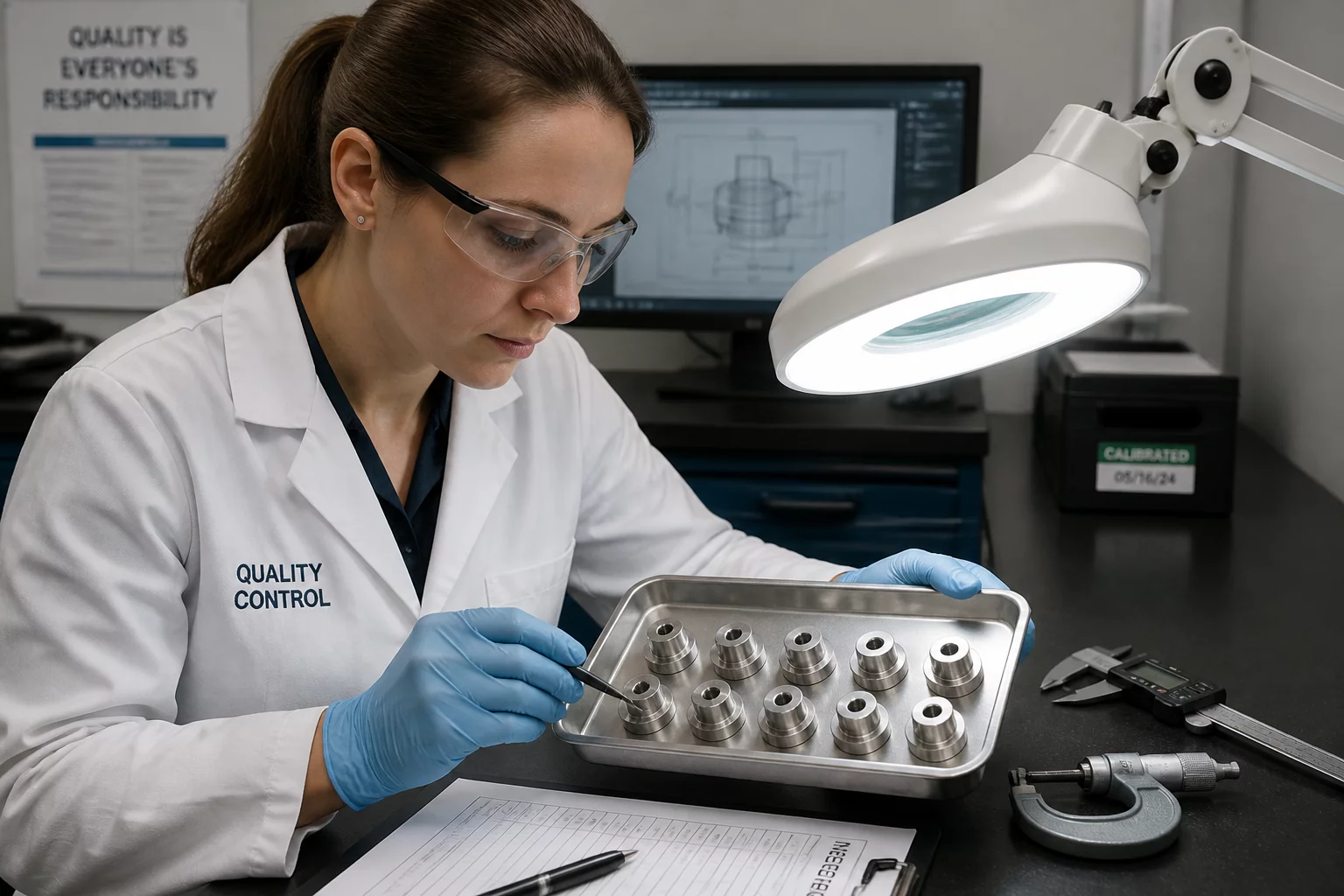
Establishing a reliable small batch review process allows engineering teams to detect micro-variations before moving to mass production. In this detailed analysis, we document our inspection of low-volume production runs. We wanted to confirm whether early batch consistency directly guarantees long-term repeatability. The results highlight why strict testing protocols remain crucial.
Overview & Objective
Small batch manufacturing serves as a bridge between prototyping and full-scale production. In this phase, engineers monitor physical tolerances and surface textures across consecutive runs. The primary objective of our latest review was to identify where deviations occur in a controlled batch of twenty identical parts. Our team used digital calipers, optical comparators, and surface roughness testers. By analyzing these components, we aimed to set a clear baseline for acceptable physical variation.
Relying on a single successful trial often leads to unexpected failures during mass assembly. Small batch reviews expose the hidden variables of our machinery.
— Lucas Bennett, Technical Lead
Implementation & Methodology
Our methodology focused on measuring dimensional accuracy across five distinct print cycles. We set up the machines inside a temperature-controlled lab to eliminate environmental fluctuation. For each cycle, the operator recorded dimensions at three key points on the components. We then compared these measurements to the original CAD files. The collected data revealed that while the first three batches met our tolerance threshold of В±0.15 mm, the subsequent runs showed slight deviations in corner radii. This variance happened due to minor nozzle wear and material cooling rate differences.
Key Takeaways & Lessons
The review demonstrated that consistency requires continuous monitoring rather than occasional checks. First, tool wear affects tolerances even in short production cycles. Second, keeping detailed logs of operator adjustments helps pinpoint when variations start. Finally, teams should update their acceptance criteria to account for these minor physical shifts. We recommend performing these reviews on every new material batch to prevent downstream assembly issues.
Discussion & Input
Jessica Martin
2026-07-09Small batches are perfect for testing the waters.
Add Your Analysis