Handoff Lessons
Bridging the gap between engineering design and small-batch production consistency.
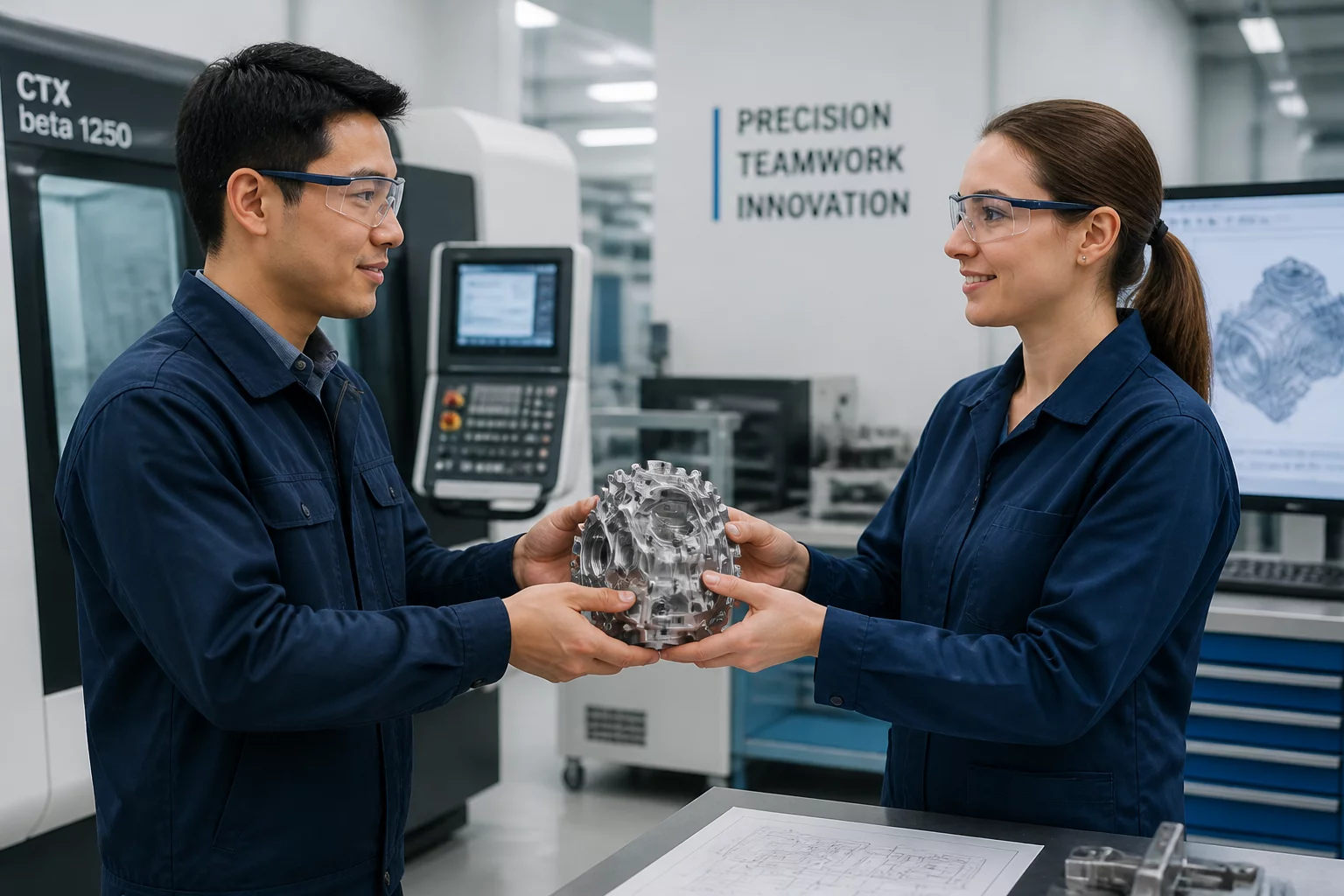
Transitioning a product from initial prototype to repeatable production runs often exposes unexpected quality variations. When different operators, printers, and material batches are introduced, the tolerance limits established during design can easily break down. Understanding the critical handoff lessons of documentation and calibration parameters is the key to ensuring that every batch meets the exact same high standard.
Overview & Objective
The primary objective of our handoff study was to design a clean, reliable workflow for transferring 3D print parameters from the designer to the operator. In early stages, small setting deviations inside the slicer led to assembly failures and varying surface qualities. By documenting exact parameters, layer heights, and infill orientations, we created a baseline that guarantees consistent physical outputs. An effective handoff eliminates guesswork and ensures that any qualified operator can reproduce identical parts under varying shop conditions.
Successful process handoff is not about sending a file; it requires transferring the complete context of physical limits, cooling specifications, and material variations.
— Lucas Bennett, Technical Lead
Implementation & Methodology
We implemented a multi-stage validation methodology to stabilize our printing line. First, all production files are delivered as pre-configured project files, rather than raw geometries, to lock orientation and support settings. Second, a strict visual and dimensional inspection checklist is completed for the first print of every run. Finally, operator training focuses on verifying printer belt tension and nozzle condition before initiating batches, which removes machine-specific drift from the equation.
Key Takeaways & Lessons
Our handoff trials provided three major takeaways. Standardizing project files instead of separate settings lists completely eliminates human error during slicer setup. Furthermore, physical gauge checks must occur immediately after post-processing, as cooling and ambient humidity can affect assembly tolerances over time. Lastly, establishing a quick feedback channel from production operators back to the CAD designers helps modify parts for better printability, reducing support material waste and post-processing hours.
Discussion & Input
Add Your Analysis