Three Parts Three Slightly Different Results
Investigating minor surface variations and cosmetic deviations across three test parts under identical print parameters.
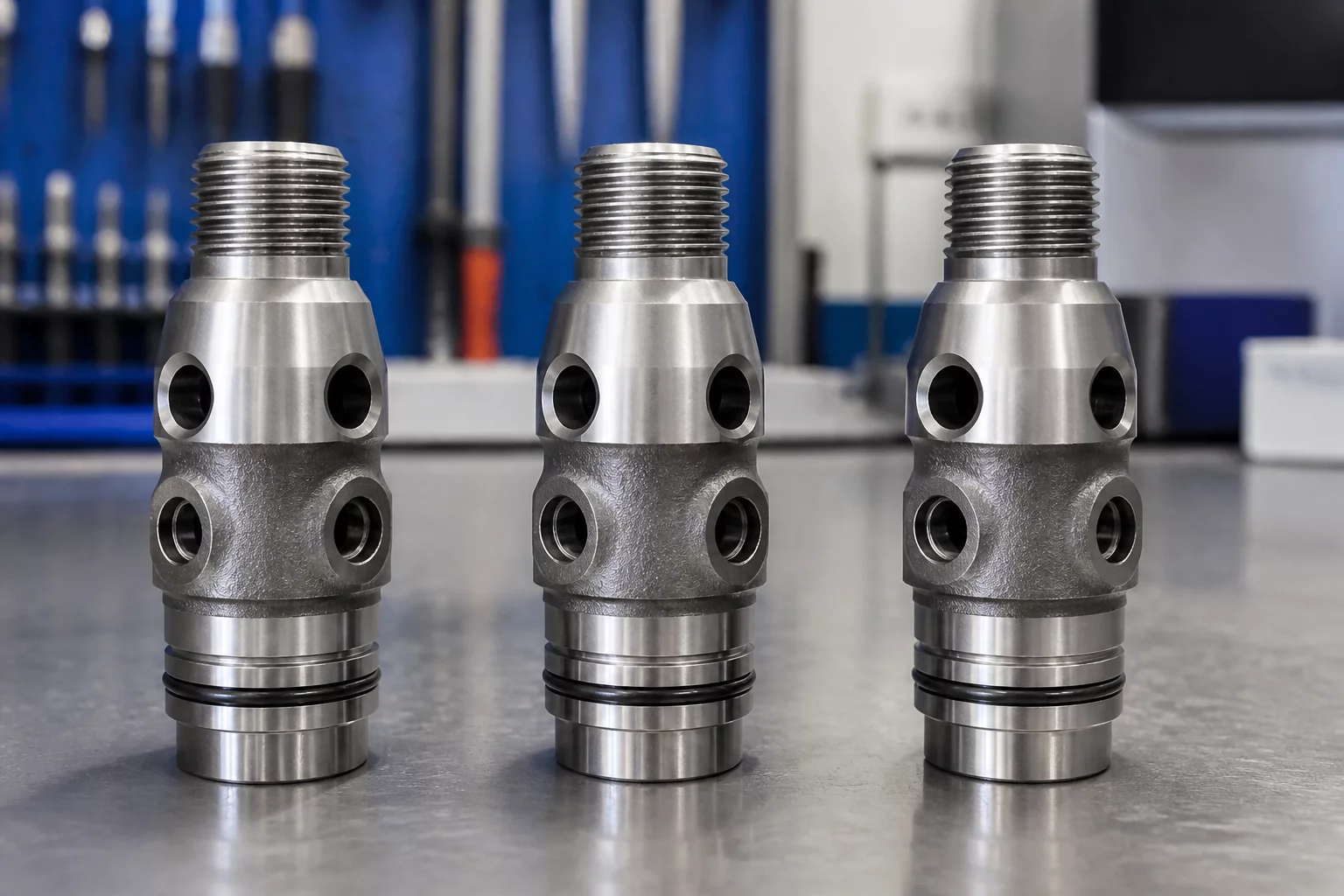
In modern digital fabrication, achieving perfect repeatability is one of the most persistent hurdles. During a small production test, we printed a sequence of three identical mechanical components using the exact same print file and material batch. Although their dimensions remained within the required structural bounds, each part exhibited minor differences in surface texture and cosmetic appearance.
Overview & Objective
The project focused on printing a series of structural brackets to evaluate visual uniformity in low-volume runs. Each of the three parts was produced sequentially on the same desktop 3D printer. Part A resulted in a highly consistent satin finish across all outer walls. Part B, however, showed faint gloss variations near the corners, while Part C developed subtle vertical lines along the rear surface. Understanding the root causes of these cosmetic deviations is essential for projects where visual quality is just as important as functional durability.
Minor changes in the printer's internal environment can lead to noticeable differences on the surface of consecutive prints.
— Michael Vance, Technical Lead
Implementation & Methodology
We managed the production run using a single spool of premium PLA that had been dried for several hours to eliminate moisture. The printer was calibrated prior to starting the test. Between the second and third parts, the machine sat idle for over an hour, which allowed the internal chamber and build surface to cool down. When the printer reheated for the final part, the slight thermal shift altered the rate of cooling for the extruded plastic, leading to the visual inconsistencies observed in the final piece.
Key Takeaways & Lessons
This case reveals that maintaining thermal stability throughout the entire production run is critical for cosmetic consistency. To prevent surface differences, operators should run consecutive prints without long idle periods or use a heated enclosure to regulate the ambient temperature. Standardizing the preheating time for the build chamber before starting each print will also help ensure that every component in the batch turns out the same.
Discussion & Input
Sarah Jenkins
2026-06-16Fascinating breakdown of the surface variations.
Add Your Analysis