Post Processing Consistency Challenges
Analyzing the impact of manual and automated post-processing on physical tolerances and repeatability.
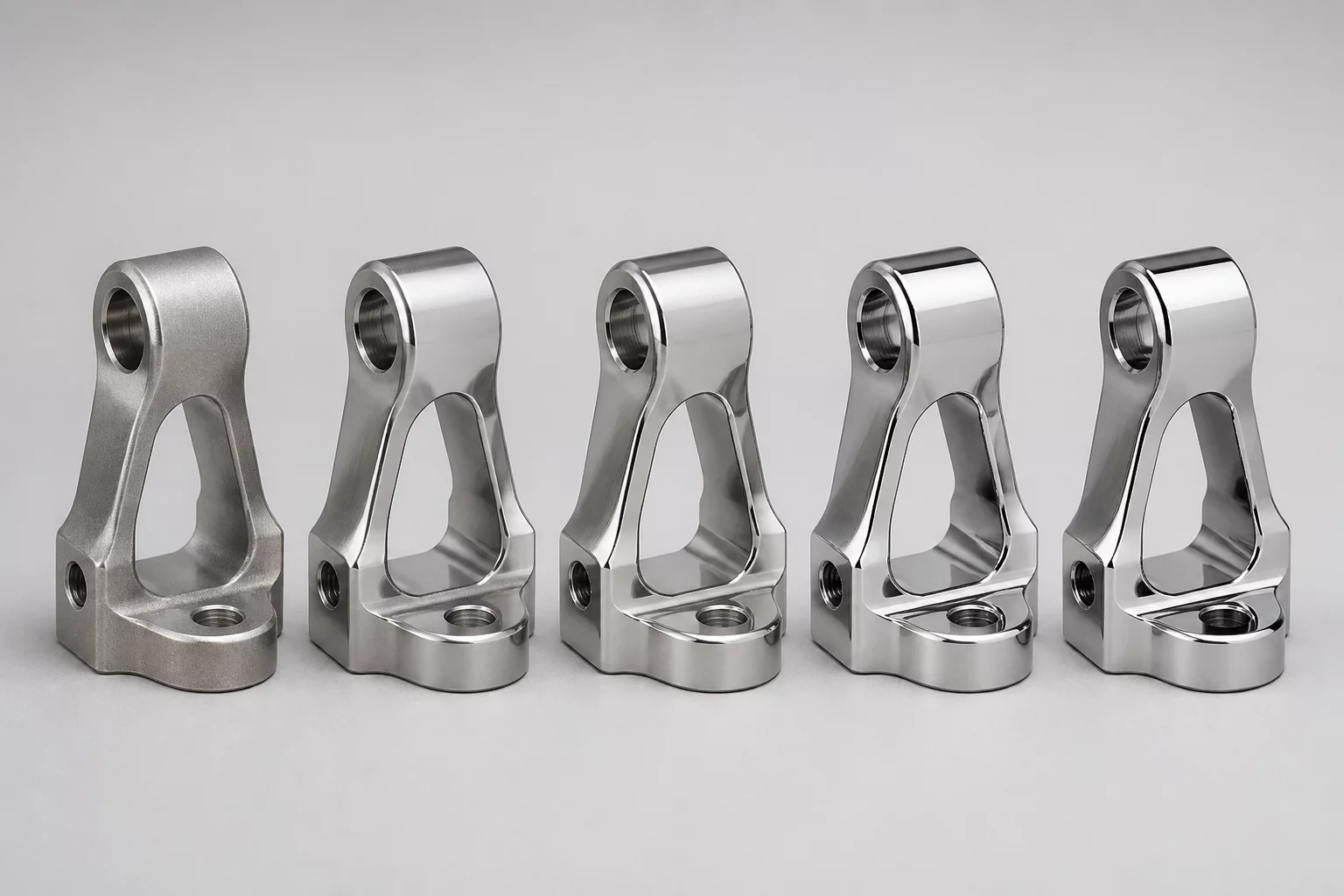
Post-processing remains one of the most volatile phases in additive manufacturing. Even when a 3D printer delivers perfect dimensional accuracy, subsequent steps like support removal, solvent washing, thermal curing, and surface polishing can introduce significant variations that pull parts out of tolerance.
Overview & Objective
In this evaluation, the objective was to isolate how post-processing workflows affect component repeatability. Over a production run of several batches, we tracked dimensional deviations introduced during mechanical support removal and chemical vapour smoothing. When hand-sanding is introduced to smooth out surface layers, manual operator pressure creates inconsistent flat spots. In automated washing and curing stations, subtle variations in solvent freshness and exposure times also shift the final dimensions. We established a rigorous testing baseline to identify the exact stage where deviation occurs, aiming to define repeatable boundaries for post-processing steps.
Without strict controls on curing time and solvent temperature, post-processing can quickly ruin the precise tolerances achieved during the print phase.
— David Chen, Technical Lead
Implementation & Methodology
The methodology involved measuring 50 identical test specimens at three key stages: immediately post-print, after support removal, and after final surface finishing. Half of the batch underwent manual bead-blasting and hand-polishing, while the other half went through an automated rotary finishing tumbler. Using high-precision digital calipers and optical scanners, we recorded the dimensional changes. The manual finishing group showed a standard deviation of 0.12mm in critical diameters, whereas the automated group maintained a tighter deviation of 0.03mm. This clearly demonstrated that operator influence introduces the highest margin of variation.
Key Takeaways & Lessons
Automating the post-processing pipeline is essential for achieving true industrial repeatability. If manual finishing is unavoidable, physical jigs must be designed to limit material removal. Furthermore, tracking solvent saturation levels in washing stations ensures chemical exposure remains uniform across batches. Redefining acceptance criteria to accommodate these minor surface deviations prevents unnecessary scrap while maintaining functional assembly fits.
Discussion & Input
Add Your Analysis