Operator Influence On Final Output
Analyzing the human element in machine-driven repeatability and print precision.
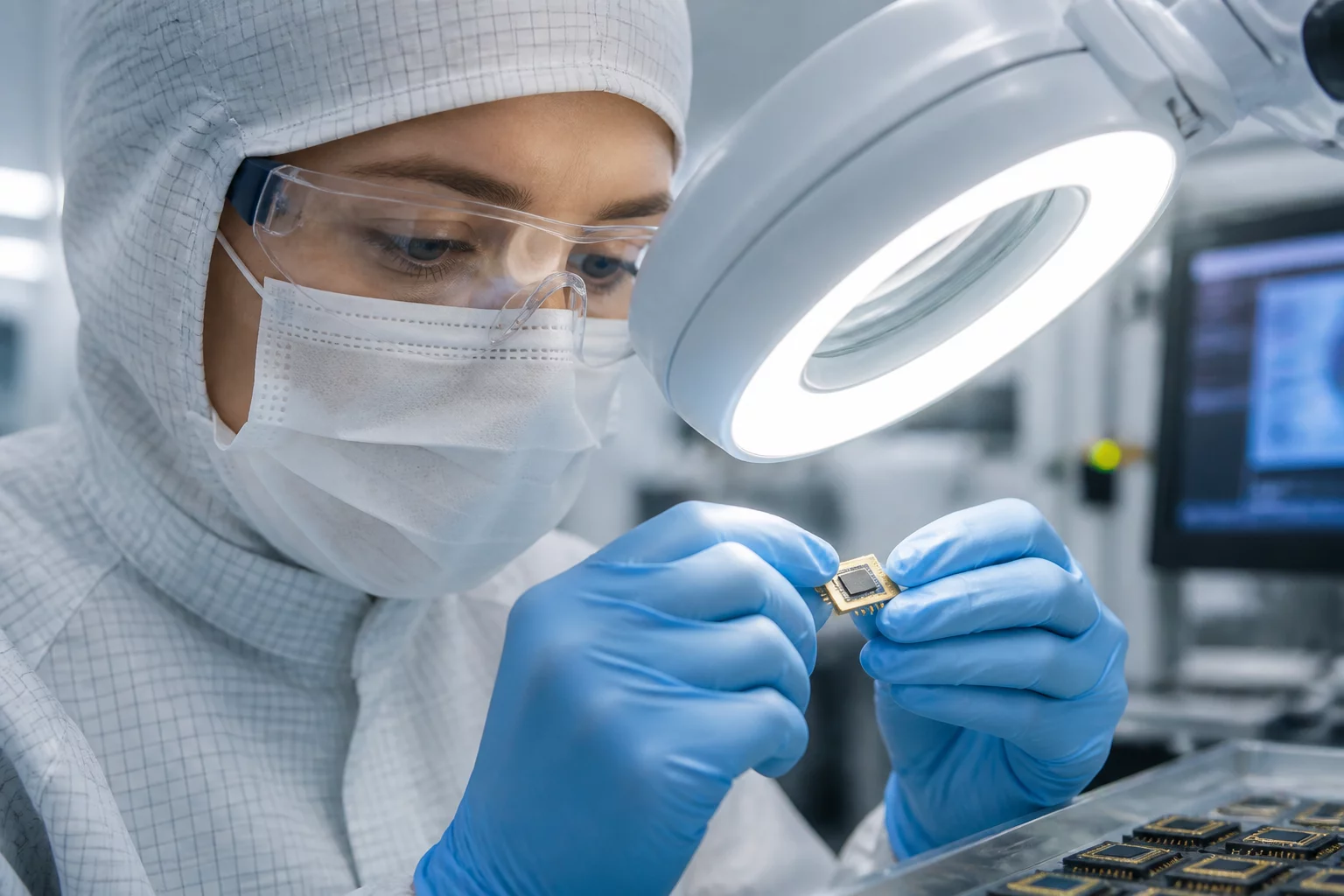
In high-precision additive manufacturing, machine automation often masks the significant impact of the human operator on the final print quality. Even with advanced 3D printers, manual steps like bed preparation, filament handling, and climate observation introduce subtle variations. This case study analyzes how different technicians operating identical hardware can produce varying dimensional accuracies and surface finishes.
Overview & Objective
The core objective of this study was to isolate operator-induced variables from machine-specific deviations. By running standard test geometries on a synchronized fleet of Bambu Lab printers, we monitored how minor differences in manual preparation altered the outcomes. Key focus areas included the pressure applied during build plate cleaning, the precision of filament tensioning, and the response time to ambient temperature fluctuations in the print area. While the digital model and slicing profiles remained identical, human habits proved to be a decisive factor in achieving consistent micro-tolerances.
Automation controls the motors, but the operator controls the environment and initial conditions. A fraction of a millimeter difference in manual bed leveling or a slight smudge on the build plate can shift the entire tolerance baseline.
— Elena Rostova, Technical Lead
Implementation & Methodology
We observed four different operators over a series of fifty print runs. Each operator received the same digital slicing files and raw materials. We measured print bed cleanliness using gloss meters and tracked bed-adhesion temperature manually. The data revealed that operators who applied isopropyl alcohol with lint-free microfibers in circular patterns achieved 15% better adhesion than those who wiped in single strokes. Additionally, manual spool mounting tension variations directly influenced extruder pressure, creating visible differences in outer wall consistency. This phase highlighted that standardized operating procedures are crucial for multi-operator environments.
Key Takeaways & Lessons
The study concluded that human variance is the single largest contributor to inconsistency in well-calibrated fleets. To mitigate operator influence, we developed a strict digital checklist and automated calibration routines that reduce reliance on physical intuition. Implementing standardized toolsets for plate preparation and mounting spools significantly reduced dimensional deviation from 0.12 mm to less than 0.04 mm. Training operators to follow exact timing guidelines for post-print cooling also resolved warpage issues, proving that process synchronization must extend beyond machine code to human behavior.
Discussion & Input
Add Your Analysis