One Successful Trial Was Not Repeatable
Analysis of how process variables caused a seemingly perfect initial run to fail during subsequent replication attempts.
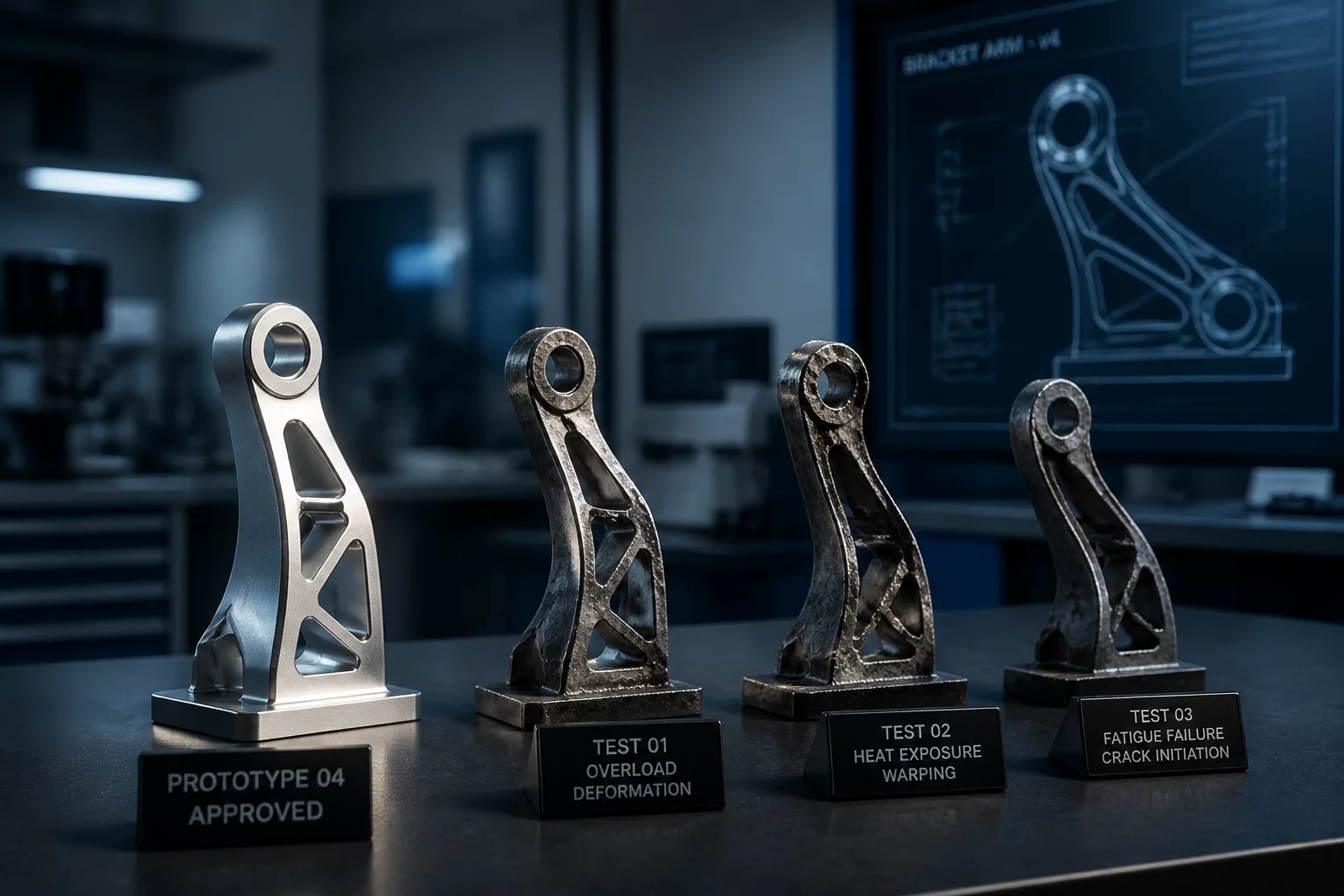
In precision manufacturing, achieving a single perfect output is a common milestone. However, treating a solitary successful run as proof of process capability is a dangerous engineering pitfall. During our recent evaluation, an initial trial yielded near-flawless dimensional tolerances, but subsequent production runs failed to match these metrics. This case study dissects the hidden variables that created a false baseline and outlines the steps taken to isolate the true causes of variation.
Overview & Objective
The primary objective was to validate a new high-precision assembly bracket using a secondary batch of engineering filaments. The initial trial run, dubbed Batch-01, produced a part that aligned perfectly with our engineering blueprints. The surface was pristine, and structural stress tests showed zero interlayer cracking. Confident in these results, the assembly line prepared for a larger validation run. The goal was to establish a standardized setup, assuming that the machine parameters, environmental conditions, and raw materials were already optimized based on the initial triumph.
A single successful trial is not validation; it is merely an invitation to test again under stricter controls.
— Elena Rostova, Technical Lead
Implementation & Methodology
To understand the sudden drop in replication quality, the engineering team set up a multi-variate monitoring grid. We tracked chamber temperature, extrusion speed fluctuations, and spool moisture levels. The investigation revealed that the initial success occurred during an unusually dry day, which kept the hygroscopic nylon filament at an optimal moisture level. When replication began two days later, minor humidity spikes in the workshop caused the raw material to absorb moisture. This change, though subtle, disrupted the melt viscosity, resulting in micro-voids and dimensional drift. We implemented a continuous material drying protocol and automated environmental logging to stabilize these variables.
Key Takeaways & Lessons
This case taught us that isolated trials are prone to environmental bias. A stable process cannot rely on luck or favorable ambient conditions. Moving forward, the team updated its acceptance criteria, requiring a minimum of five consecutive successful batches under varied environmental simulations before approving any production parameters. We also shifted our calibration benchmarks to prioritize tolerance stability over one-off perfection, ensuring that subsequent runs are structurally and visually consistent.
Discussion & Input
James Smith
2026-06-23This highlights why continuous testing is essential. If we base our entire production line on one lucky run, we risk major waste down the line.
Add Your Analysis