Dimensional Accuracy Across Batches
Analyzing the challenges of repeatability and deviation control in multi-run production environments.
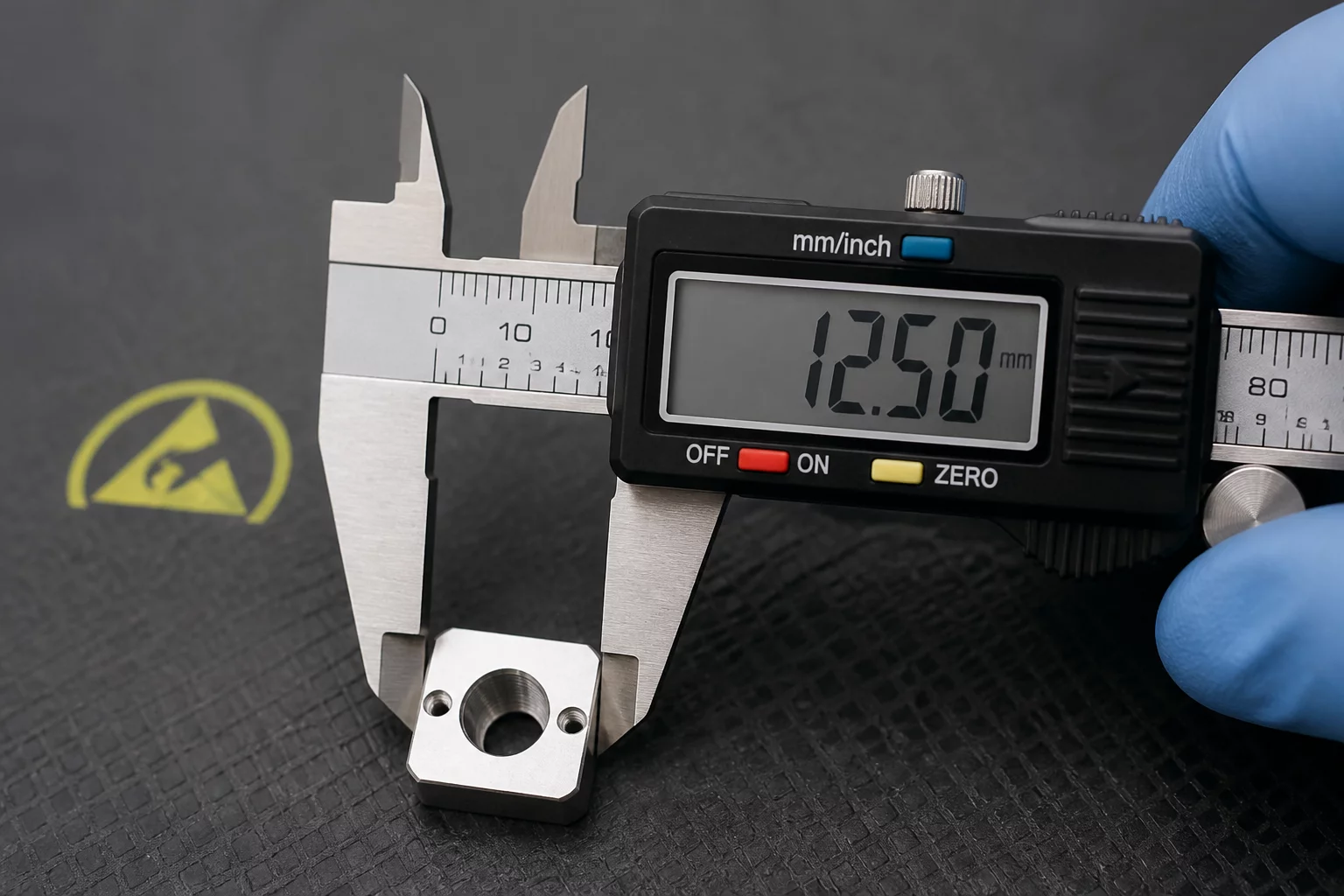
Achieving dimensional consistency across consecutive print batches is a critical requirement for functional mechanical assemblies. While a single prototype might fit perfectly, reproducing identical measurements across fifty or a hundred units exposes subtle deviations in the system. This research outlines our testing methodology and observations.
Overview & Objective
In this investigation, we targeted the production of mounting brackets where inner bolt sleeve diameters required a tolerance profile of within В±0.05 mm. Standard settings initially yielded drift across batches printed at different times of the day. This led us to investigate how external ambient variables and material inconsistencies interact with slicer settings.
True repeatability is not achieved by choosing the right settings once, but by controlling the variables that change over time.
— David Chen, Technical Lead
Implementation & Methodology
We established a strict control process using Bambu Studio by enforcing pre-print flow dynamics calibrations for each new spool of filament. Additionally, we kept the printer enclosed in a temperature-controlled space to mitigate cooling rate discrepancies. Material moisture was managed through active drying cycles immediately before each batch run.
Key Takeaways & Lessons
Ultimately, our tests showed that systematic preheating of the chamber and spool monitoring kept over 95% of the components within tolerance limits. We learned that relying solely on default print profiles is insufficient for precision engineering; active control of ambient temperature and filament condition is mandatory.
Discussion & Input
Thomas Green
2026-07-09Batch consistency is the hardest part of manufacturing.
streamAdd Your Analysis