Calibrating Machines For Repeatability
How standardizing machine calibration eliminates dimensional drift and guarantees manufacturing repeatability.
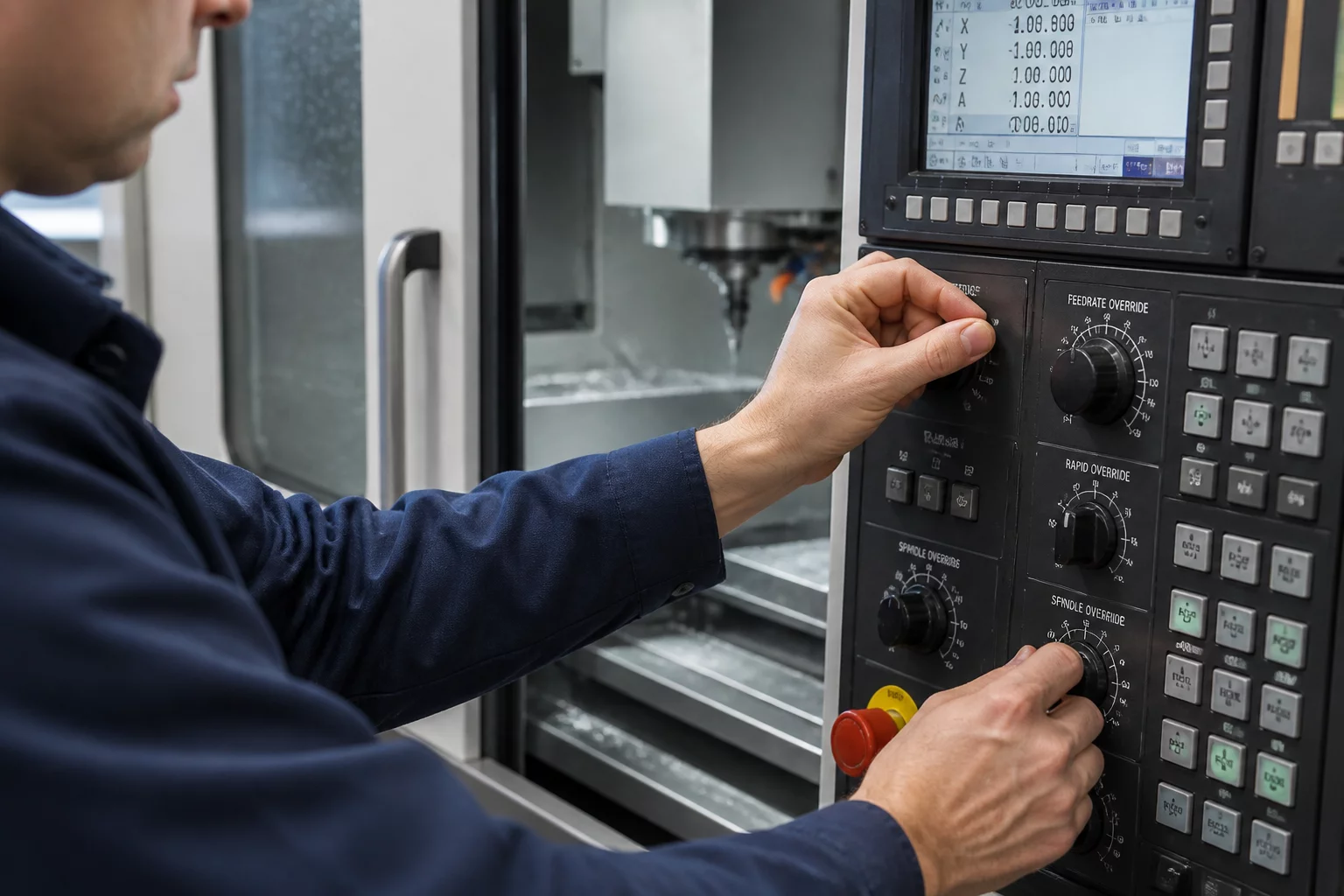
Calibration of manufacturing machinery is the foundation of repeating production tolerances without manual intervention. In modern manufacturing, achieving a stable process requires eliminating variables before the first layer is printed or the first cut is made. This case study details how setting strict baseline parameters on multi-axis machinery prevents gradual drift and ensures consistent physical parts across production cycles.
Overview & Objective
The primary objective was to establish a systematic calibration standard for industrial-grade 3D printers and CNC machines experiencing inconsistent output dimensions over 48-hour continuous runs. Even minor temperature fluctuations in the workspace affected stepper motor performance and lead screw expansion. By defining a rigorous zero-point baseline, the team targeted a tolerance window of В±0.05 mm, transforming a highly variable prototype line into a stable, repeatable manufacturing cell.
Standardizing calibration procedures removed the human factor from machine setup. We transitioned from guessing to executing measurable, mathematical adjustments.
— Sophia Patel, Technical Lead
Implementation & Methodology
The team implemented a daily three-stage verification process. First, operators verify frame squareness and belt tension using mechanical strain gauges. Next, automated bed-leveling routines execute, creating a high-resolution mesh map stored directly on the controller. Finally, a test coupon is produced and measured using calibrated digital micrometers. This sequence ensures that any dimensional drift is detected and corrected before committing raw materials to full-scale production.
Key Takeaways & Lessons
Rigorous calibration directly correlates with reduced scrap rates and lower post-processing overhead. A stable machine environment reduces mechanical stress and prevents premature component wear. Standardizing these procedures allows operators with different levels of experience to achieve identical physical results. Most importantly, documented routine adjustments create a historical log that simplifies future preventative maintenance.
Discussion & Input
Anna Clark
2026-07-21Calibration routines need to be standardized.
Add Your Analysis