Ambient Temperature Effects On Prints
Analyzing how fluctuations in room environment alter polymer cooling rates, resulting in warping and layer separation.
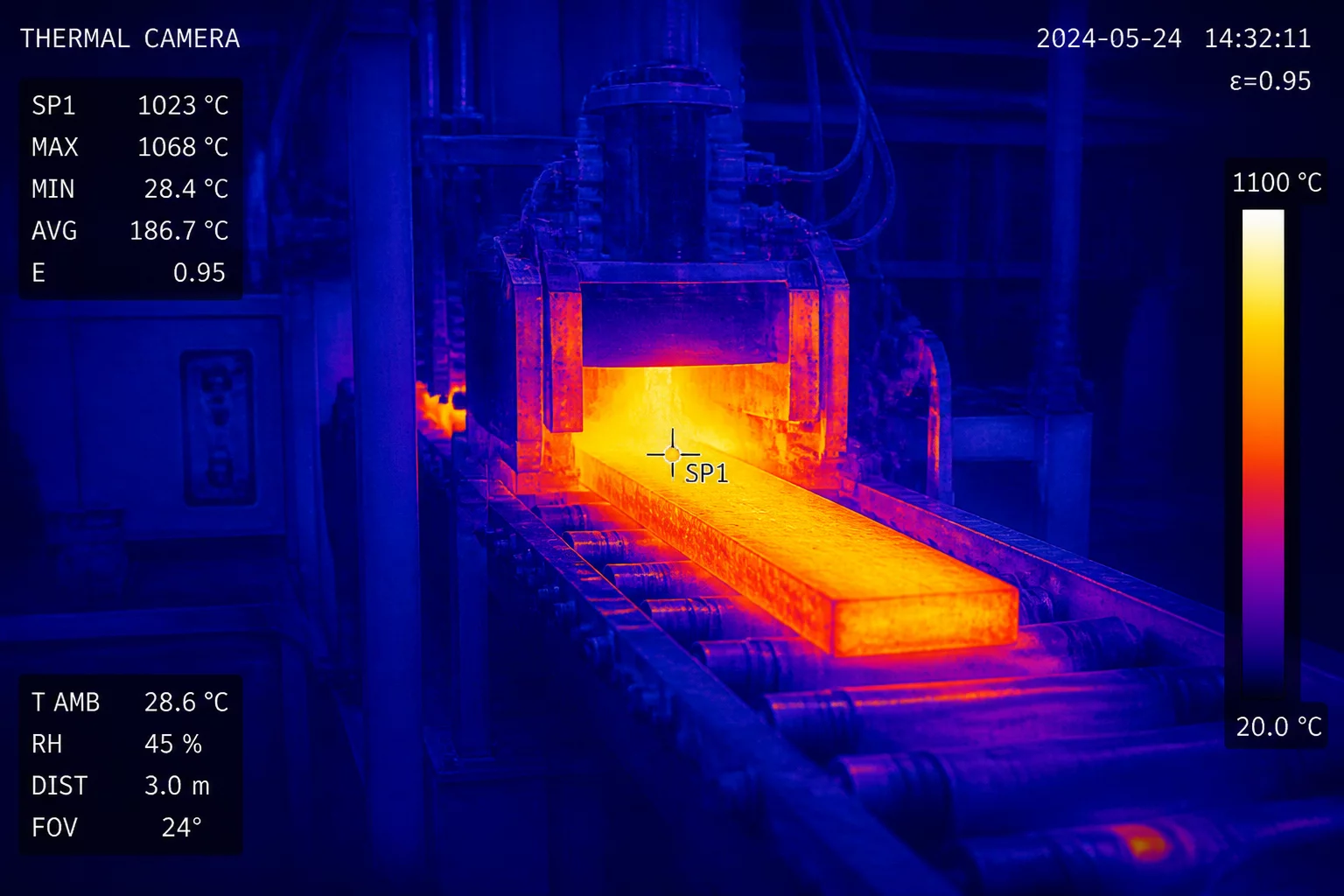
Manufacturing consistency is often compromised not by machine mechanics, but by the surrounding room environment. In this research case, we examine the impact of ambient temperature fluctuations on thermoplastic extrusion prints, highlighting how subtle seasonal or air conditioning cycles introduce thermal stress that degrades structural integrity and dimensional precision.
Overview & Objective
The primary objective of this study was to isolate ambient room temperature as a variable in a series of identical production runs. Using standard PLA and PETG filaments, we printed batches of calibration parts in environments ranging from a chilled 16В°C (60В°F) room to a controlled 25В°C (77В°F) space. Our focus was on measuring layer adhesion, volumetric shrinkage, and warp angles. Without a heated enclosure, the cooling rate of the extruded plastic is directly governed by the ambient air, making the surrounding environment a critical factor in print repeatability.
Even a three-degree Celsius drop in ambient temperature can accelerate polymer crystallization and cooling, leading to internal residual stress that compromises part dimensions.
— Michael Vance, Technical Lead
Implementation & Methodology
We established a standardized printing profile on open-frame desktop 3D printers, ensuring all parameters—nozzle temperature, bed temperature, speed, and cooling fan duty cycle—remained constant. The testing room was equipped with a climate control unit to maintain specific temperature steps for 12-hour periods. Measurements were taken using digital calipers and digital microscopy to inspect interlayer boundary lines. Under cooler ambient settings, the material contracted faster than the heated bed could compensate for, resulting in a 4% increase in edge lifting (warping) and measurable dimensional deviation across the Z-axis.
Key Takeaways & Lessons
Our findings show that consistency requires environmental stabilization. When ambient temperatures fell below 20В°C, the interlayer tensile strength dropped by nearly 15% due to poor thermal bonding between successive layers. To mitigate these effects without investing in fully enclosed systems, we recommend draft shielding, reducing the active cooling fan speed by 20% in colder rooms, and implementing localized temperature logging. For high-precision parts, maintaining a room baseline of 22В°C to 24В°C is essential for preventing batch-to-batch variation.
Discussion & Input
This could be your first comment.
Add Your Analysis